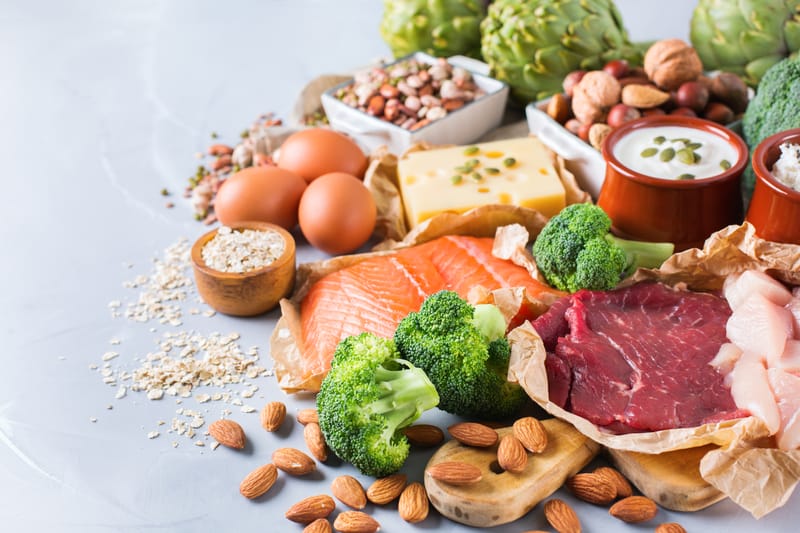
Thursday, June 06, 2024
Whey Protein vs. Plant-Based Proteins: Making the Right Choice
Trying to decide between whey protein and plant-based proteins? Look no further! This blog post breaks down the differences and helps you make an informed decision for your fitness goals.
Protein powders are a game-changer for many, offering convenience and a tasty way to boost protein intake. With the market flooded with options, the debate between whey protein and plant-based proteins rages on. But which one is best suited for your needs?
Protein plays a crucial role in various bodily functions, from muscle growth to ensuring healthy metabolism. The body requires amino acids, some of which must come from food sources like histidine and lysine. Boosting protein intake can aid in muscle repair, weight management, and overall health.
In a fast-paced world, protein powders have become essential for meeting dietary requirements efficiently. Whether you're an athlete or simply aiming for a healthier lifestyle, choosing the right protein powder matters. Whey protein offers immune support and mood enhancement, while plant-based proteins bring their unique advantages.
So, when it comes down to whey versus plant-based proteins, the decision ultimately depends on your individual goals and preferences. Both types have their own set of benefits and considerations to keep in mind. Choose wisely based on what aligns best with your needs for optimal health and well-being.
Discover the World of Plant-Based Proteins
Plant-based proteins are extracted solely from plants like Soy, Pea, Rice, Hemp, and more. While soy provides a complete protein but has drawbacks like phytoestrogens and being ultra-processed, whey protein reigns supreme with better amino acid balance and muscle gains.
On the flip side, plant-based proteins have their advantages – they're animal-free, dairy-free for lactose intolerant individuals, easier to digest, and environmentally friendly. Opting for plant-based proteins offers a range of essential amino acids for overall health benefits. Whether you choose whey or plant-based proteins, understanding their unique qualities can guide your decision based on health goals and dietary preferences.

Addressing Plant-Based Protein Challenges with Smart Solutions
Discover how to tackle the hurdles associated with plant-based protein sources efficiently. Learn about combining complementary plant foods to ensure a complete amino acid profile. For example, pairing rice and hemp proteins can compensate for lysine deficiency in these individual sources. While pea protein is rich in lysine, it lacks sufficient methionine and cysteine, highlighting the importance of diversifying protein sources.
Moreover, enhance the digestibility of plant proteins by incorporating specific enzymes like proteases or alpha-galactosidase. This aids in optimizing amino acid absorption and availability.
Certain plant-based protein powders are enriched with essential amino acids such as leucine, lysine, and methionine to elevate their nutritional value. Brands often fortify their products with fermented leucine to bridge any amino acid gaps.
In the debate between whey and plant-based proteins, both have their merits. Whey protein offers quick digestion and immediate amino acid release—ideal post-workout. On the other hand, plant proteins release nutrients gradually, making them perfect for sustained energy levels and diverse culinary applications.
When opting for plant-based protein powders, aim for blends comprising various proteins (e.g., pea, grain, seed) to ensure a complete amino acid spectrum. Whether you lean towards whey or plants, prioritize reputable brands offering at least 20 grams of quality protein per serving without unnecessary additives like sugars or fillers.

See other posts like this one:

Wednesday, December 03, 2025
17 Amazing Uses for Epsom Salt (Health, Beauty & Home Benefits Explained)

Monday, December 01, 2025
The 9 Worst Breakfast Foods For Blood Sugar: And Why They Are So Bad
Thursday, June 05, 2025
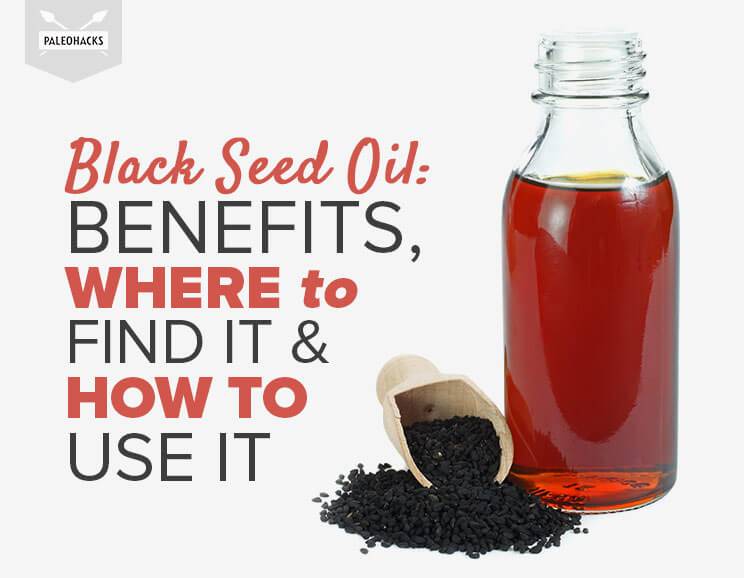
The Complete Guide to Black Seed Oil: Health Benefits, Uses, and Buying Tips What Is Black Seed Oil?
Wednesday, June 04, 2025
The Ultimate Guide to a Menopause Diet: What to Eat (and Avoid) to Ease Your Symptoms

Wednesday, June 04, 2025
Can One Apple a Day Help You Lose Weight? Why Granny Smith Apples Stand Out

Wednesday, June 04, 2025
Sweet Potatoes vs. Yams vs. White Potatoes: What You Really Need to Know

Monday, May 26, 2025
The Many Uses of Hydrogen Peroxide: From Teeth Whitening to First Aid and More