Monday, July 01, 2024
Your Ultimate Post-Workout Guide for Maximum Gains
Maximize your workout results with this ultimate post-workout guide. Learn the best tips and tricks for optimal muscle gains after hitting the gym.
You’ve just smashed your workout and can already feel the endorphins kicking in. But what comes next is just as crucial as the workout itself. Whether you're a fitness enthusiast, an office worker trying to stay fit, an athlete, or someone just starting out in strength training, knowing what to do after a workout can make a huge difference in your progress.
In this comprehensive post-workout guide, you'll learn essential steps to maximize your gains, promote recovery, and keep your body in peak condition. From cooling down to the best foods and drinks to consume, we've got you covered. Let's get started!
Why Post-Workout Routines Matter
A proper post-workout routine can make or break your fitness progress. It helps decrease muscle soreness, enhances flexibility, and prepares your body for the next session. Ignoring post-workout care can lead to injuries and slower recovery times, which nobody wants.
Step 1 Cool Down
The Importance of Cooling Down
Cooling down gradually lowers your heart rate back to its resting state. It prevents blood from pooling in your muscles, which can cause dizziness or fainting. A good cool-down session also helps remove lactic acid buildup, reducing muscle soreness.
How to Cool Down Effectively
- Mental Relaxation: Use this time to mentally unwind as well. Reflect on your workout and set goals for your next session.
- Deep Breathing: Practice deep breathing exercises to help your body transition from high-intensity activity to rest.
- Light Cardio: Spend 5-10 minutes doing light cardio, such as walking or cycling at a slow pace. This helps bring your heart rate down gradually.
Benefits of Cooling Down
Consistent cooling down can improve your overall performance. It prepares your body for future workouts by reducing fatigue and muscle stiffness. Plus, it enhances your mental well-being, making you more motivated for your next gym visit.
Step 2 Stretch
The Role of Stretching
Stretching lengthens your muscles, improving flexibility and joint range of motion. It also helps prevent injuries by ensuring your muscles and joints are prepared for the next activity.
Types of Stretches
- Dynamic Stretching: Involves active movements that take your muscles through their full range of motion. Think leg swings or arm circles.
- Static Stretching: Hold each stretch for 15-30 seconds. Focus on major muscle groups like your hamstrings, quads, and shoulders.
When to Stretch
Stretch right after your cool-down to get the most benefits. Your muscles are still warm, making them more pliable and receptive to lengthening exercises.
Step 3 Roll It Out
Benefits of Foam Rolling
Foam rolling, or self-myofascial release, can be a game-changer for muscle recovery. It helps release muscle tightness, improve blood flow, and reduce inflammation.
How to Foam Roll
- Frequency: Incorporate foam rolling into your routine a few times a week for the best results.
- Technique: Apply moderate pressure using your body weight and roll slowly over each area for about 1-2 minutes.
- Target Areas: Focus on areas that feel tight or sore. Common spots include your calves, quads, hamstrings, and back.
Tips for Effective Rolling
Avoid rolling directly on bones or joints. If you find a particularly tight spot, spend a little extra time there but don't overdo it. Consistency is key to reaping the benefits of foam rolling.
Step 4 Rest and Recovery
The Importance of Rest
Rest is where the magic happens. It's during rest that your muscles repair, grow stronger, and adapt to the stresses of your workouts. Overtraining can lead to burnout, injuries, and decreased performance.
Types of Recovery
- Passive Recovery: Complete rest days where you give your body a full break from exercise. These are essential for preventing overuse injuries.
- Active Recovery: Includes low-intensity activities like walking or yoga. It keeps your blood flowing and helps with muscle recovery.
Quality Sleep
Aim for 7-9 hours of quality sleep per night. Sleep is crucial for muscle repair, hormone regulation, and overall recovery. Make your sleep environment comfortable and limit screen time before bed.

What to Eat After a Workout
The Role of Nutrition
What you eat after a workout can significantly impact your recovery and muscle growth. Proper nutrition helps replenish glycogen stores, repair muscle tissue, and prepare you for your next workout.
Macronutrients to Focus On
- Fats: Healthy fats support overall health but should be consumed in moderation post-workout as they can slow down digestion.
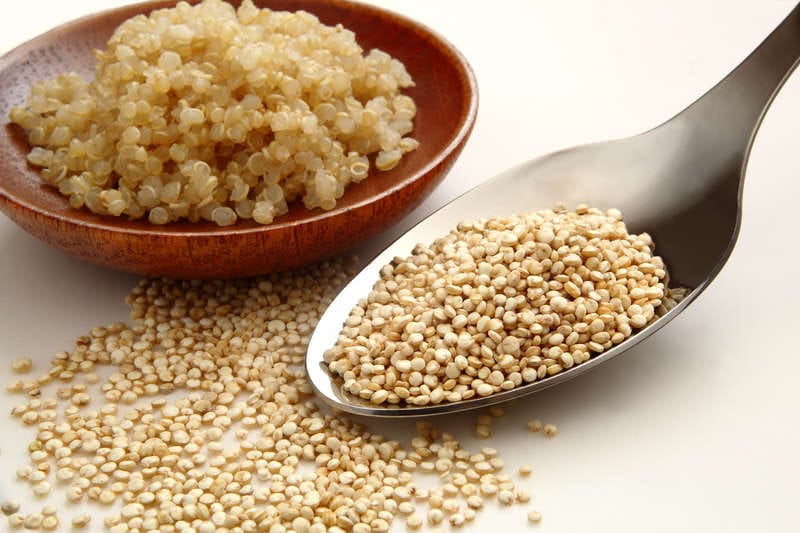
- Carbohydrates: Replenish glycogen stores. Pair your protein with complex carbs like sweet potatoes, brown rice, or quinoa.
- Protein: Essential for muscle repair and growth. Aim for 20-30 grams of protein within two hours of your workout.
Sample Post-Workout Meals
- Protein Smoothie: Blend your favorite fruits, a scoop of protein powder, and some spinach for added nutrients.
- Greek Yogurt with Berries: A quick and convenient option.
- Chicken and Quinoa Bowl: Packed with protein and complex carbs.
What to Drink After a Workout
Hydration is Key
Staying hydrated is crucial for recovery. Water helps transport nutrients to your cells, regulate your body temperature, and flush out toxins.
Best Post-Workout Drinks
- Protein Shakes: Convenient for getting your post-workout protein and can be easily customized with your favorite flavors.
- Electrolyte Drinks: Opt for drinks that replenish lost electrolytes, especially if you've had a particularly sweaty session.
- Water: The simplest and most effective way to rehydrate.
How Much to Drink
Aim to drink at least 16-24 ounces of fluid for every pound lost during exercise. Listen to your body and drink when you're thirsty to maintain optimal hydration levels.
Additional Tips for Maximizing Your Post-Workout Routine
Listen to Your Body
Pay attention to how your body feels after a workout. If you're excessively sore or fatigued, it might be a sign to dial back your intensity or take an extra rest day.
Consistency is Key
A consistent post-workout routine will yield the best results. Make these steps a regular part of your fitness regimen to see long-term benefits.
Keep Learning
Always stay updated with the latest fitness trends and research. The more you know, the better you can optimize your workouts and recovery.
Conclusion
A killer workout is just the beginning. What you do afterward is equally important for maximizing your gains and keeping your body in top shape. By following this comprehensive post-workout guide, you'll enhance your recovery, boost your performance, and stay motivated on your fitness journey.
Ready to take your fitness game to the next level? Start implementing these post-workout steps today and see the difference for yourself. Thanks for reading, and happy training!

See other posts like this one: