Wednesday, June 05, 2024
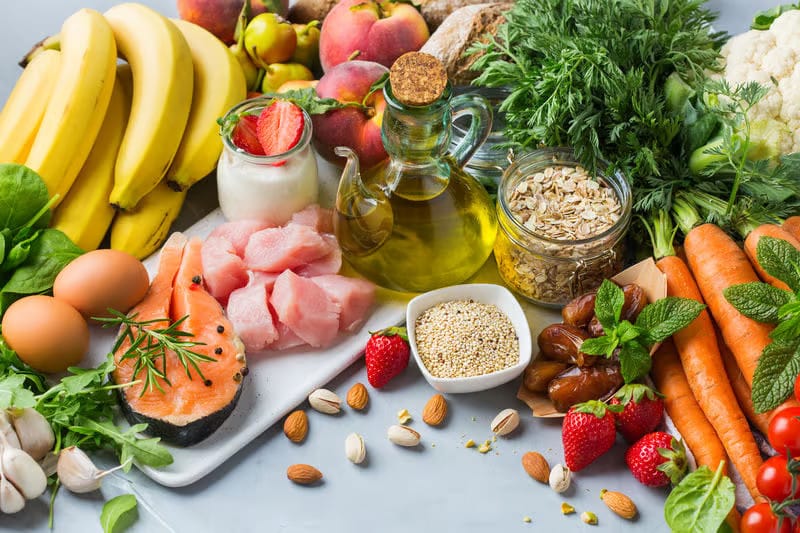
Heart-Healthy Diet: Top Foods, Diets, and Habits
Discover the best foods to help keep your heart healthy and learn about the top diets and habits that can improve your cardiovascular health. Take charge of your heart today!
One of the most effective weapons in the battle for a healthy heart is a balanced, heart-friendly diet. But with so much conflicting information surrounding what's truly 'heart-healthy,' it's easy to feel overwhelmed. In this comprehensive guide, we'll unravel the complexities of heart-healthy eating, sharing practical tips, and the latest dietary studies that can help set you on the path to a robust cardiovascular system.
If you are someone who is passionate about health, nutrition, or improving their lifestyle, this detailed analysis of heart-healthy diets is a must-read. We'll be covering not only the top foods to consume but also how to structure your diet effectively to protect your heart, whether it's understanding portion control, choosing the right fats, or navigating the often baffling world of 'diet trends.'
Invest in your health and educate yourself with this in-depth exploration of what it means to eat for your heart.
Heart-Healthy Diet Tips
Adopting heart-healthy eating habits doesn’t have to be a radical shift overnight. It's a myriad of little changes that, over time, add up to significant improvements in your overall health. Here are the key dietary strategies to focus on as you revamp your eating habits:
1. Control Portion Sizes
Why it Matters: Even healthy foods can lead to weight gain and increased risk of heart disease if you're consuming too much. Portion control is about being mindful of how much you eat, stopping when you're satisfied, and learning what a recommended portion looks like.
Practical Approach: Use smaller plates, measure portions until you can "eyeball" them accurately, and pay attention to serving sizes on nutrition labels. Consider slowing down during meals to give your body more time to signal when it's full.
2. Eat More Fruits and Vegetables
Why it Matters: Packed with essential vitamins, minerals, and fiber, fruits and vegetables can reduce your risk of heart disease. They're naturally low in calories, too, which makes them perfect for filling up without piling on the pounds.
Practical Approach: Aim for a rainbow of colors on your plate, which signifies a variety of nutrients. Try to include a fruit or vegetable in every meal and snack. Fresh, frozen, or canned (without added sugars or salt) — they all count!
3. Choose Whole Grains
Why it Matters: Whole grains, like brown rice and whole-wheat, are sources of complex carbohydrates and fiber, which can help control cholesterol and keep blood sugar levels stable.
Practical Approach: Replace refined or processed grains with whole grain options. Look for 'whole' grains listed as the first ingredient on the food label.
4. Limit Unhealthy/Refined Fats
Why it Matters: Saturated fats, often found in animal products, and trans fats, commonly in processed foods, can raise your bad cholesterol levels. Unsaturated fats, like those found in avocados and nuts, can lower bad cholesterol and provide other health benefits.
Practical Approach: Opt for leaner cuts of meat, use soft spreads, and choose oils from plants, such as olive or canola. Avoid trans fats, and limit your overall intake of saturated fats.
5. High-Quality Proteins
Why it Matters: Proteins are essential for the body, but not all sources are heart-friendly. Fish and poultry, devoid of skin, offer great alternatives to fatty red meats.
Practical Approach: Enjoy at least two servings of fish per week, with one being of the oily variety, like salmon or mackerel. For vegetarians, sources like beans, legumes, and soy products are excellent choices.
6. Limit Sodium
Why it Matters: Too much salt can raise blood pressure, increasing your risk of heart disease and stroke. Cutting down on sodium can be a quick and effective way to improve heart health.
Practical Approach: Experiment with herbs and spices to flavor your food instead of salt. When purchasing packaged foods, choose items with lower sodium content or look for "no added salt" options. Be cautious with condiments, as they can be sneaky sources of high sodium levels.
By integrating these dietary tips, you’re not only providing your body with the nutrients it needs to function optimally but also helping to safeguard one of its most critical systems — your heart.

See other posts like this one:










Saturday, October 26, 2024
Mental Health Psilocybin's Promise for Effective Depression Treatment