


Sunday, June 09, 2024
How to Grow an Indoor Garden (for Any Sized Home)
Want to bring some greenery into your home? Learn how to successfully grow an indoor garden, no matter the size of your living space. From small apartments to large homes, these tips and tricks have got you covered!
Depending on your location and the time of year, you may be looking outside to snow on the ground, a lush, green lawn, a concrete jungle, a rock garden, an untamed (and perhaps overwhelming) landscape, or a combination of the above. Yet the desire to see if you can provide at least a little bit of your own food is enticing. No matter the weather outside or the space you have, you can start your own indoor garden. Whether you're a remote worker seeking a calming hobby, a health enthusiast eager for fresh produce, or someone striving for a better work-life balance, an indoor garden can be a fulfilling addition to your home.
Where to Grow an Indoor Garden
The first step in creating your indoor garden is selecting the right location. Fortunately, indoor gardening offers flexibility, allowing you to cultivate plants in various spots around your home. Here are some key considerations:
Windowsills
South-facing windows are ideal because they receive the most sunlight, which is crucial for most plants. East and west-facing windows can also be effective, depending on the specific light requirements of your chosen plants.
Shelves and Racks
If you're limited on horizontal space, vertical gardening is an excellent solution. Utilize shelves or specially designed plant racks to maximize your growing area.
Kitchen Countertops
Growing herbs and small vegetables in your kitchen provides easy access while cooking and adds a touch of greenery to the room.
Balcony or Patio
If you have a small balcony or patio, consider placing your pots and containers there. Just ensure the space gets adequate sunlight and is protected from extreme weather conditions.
What Do You Need to Grow an Indoor Garden?
Starting an indoor garden requires a few essential items:
Containers
Choose containers with good drainage to prevent waterlogging. Options include pots, hanging baskets, and even repurposed household items like mason jars or tin cans.
Potting Mix
A high-quality potting mix is vital for indoor gardening. Look for a mix that includes peat moss, perlite, and vermiculite to provide good aeration and moisture retention.
Fertilizer
Organic fertilizers like compost or worm castings can help provide the necessary nutrients for your plants to thrive.
Watering Can
A small watering can with a narrow spout allows for precise watering without over-saturating the soil.
How to Sterilize Soil for Potting
Sterilizing your potting soil is crucial to eliminate harmful pathogens and pests that can harm your plants. Here’s a simple method:
- Oven Method: Spread the damp soil on a baking sheet and bake at 200°F (93°C) for about 30 minutes. Use a meat thermometer to ensure the soil's temperature reaches 180°F (82°C).
- Microwave Method: Place the soil in a microwave-safe container and heat for about 90 seconds per kilogram (2.2 pounds) of soil. Ensure the soil reaches a temperature of at least 180°F (82°C) to kill any harmful organisms.
- Moisten the Soil: Dampen the soil slightly.
What Can You Grow in an Indoor Garden?
The possibilities for an indoor garden are vast, but here are some popular choices that thrive indoors:
Herbs
Basil: Needs plenty of sunlight, perfect for windowsills.
Mint: Easy to grow, but best kept in its own pot to prevent it from taking over.
Thyme: Requires well-drained soil and bright light.
Vegetables
- Spider Plant: Hardy and tolerant of varying light conditions.
- Pothos: Known for its air-purifying qualities, it's a low-maintenance option.
- Decorative Plants
- Lemons: Dwarf varieties like Meyer lemons can be grown indoors, needing bright light and occasional feeding.
- Strawberries: Alpine strawberries are particularly suitable for indoor gardens.
- Fruits
- Peppers: Small pepper varieties can thrive indoors with adequate light and warmth.
- Cherry Tomatoes: Compact varieties are well-suited for indoor growth, requiring direct sunlight.
- Lettuce: Grows quickly and can be harvested continually.
Time to Start Planting Your Indoor Garden

With your location and supplies ready, it’s time to plant.
- Place in Light: Position your containers in their designated spots, ensuring they receive the necessary amount of light.
- Water: Give your newly planted garden a good drink, ensuring the soil is moist but not waterlogged.
- Plant Seeds or Seedlings: Follow the depth and spacing instructions on your seed packets. For seedlings, gently transplant them into the soil.
- Fill Containers: Add the sterilized potting mix to your containers, leaving a bit of space at the top.
Care and Feeding Your Indoor Garden
Ongoing care is key to a thriving indoor garden. Here are some tips:
Watering
Check the soil moisture regularly. Most indoor plants prefer slightly moist soil but avoid overwatering, which can lead to root rot.
Fertilizing
Feed your plants with organic fertilizer every few weeks. Follow the instructions on the fertilizer package for the best results.
Pruning
Regularly trim your plants to encourage healthy growth and prevent overcrowding.
Pest Control
Inspect your plants for pests like aphids or spider mites. Use natural pest control methods, such as neem oil or insecticidal soap, to keep them at bay.
To Grow Light or Not to Grow Light
Natural light is ideal, but not always sufficient. Grow lights can supplement or replace sunlight, especially in rooms with limited natural light.
Types of Grow Lights.
- Incandescent Lights: Less efficient and can produce too much heat, making them less suitable for indoor gardening.
- LED Grow Lights: Energy-efficient and long-lasting, offering a full spectrum of light ideal for all growth stages.
- Fluorescent Lights: Affordable and efficient, suitable for small plants and herbs.
Placement and Timing
Lorem ipsuPlace grow lights about 6-12 inches above your plants. Use a timer to mimic natural daylight cycles, typically 12-16 hours of light per day.
Harvesting Your Indoor Garden
The reward of your hard work is the harvest. Here’s how to do it right:
Herbs
Harvest herbs like basil and mint by pinching off leaves as needed. Regular harvesting encourages new growth.
Vegetables
Pick lettuce leaves from the outside in, allowing the inner leaves to continue growing. Harvest cherry tomatoes and peppers when they reach their full color.
Fruits
Harvest strawberries by cutting the stem just above the berry. For lemons, twist the fruit gently until it releases from the branch.m dolor sit amet, consectetur adipisicing elit. Autem dolore, alias, numquam enim ab voluptate id quam harum ducimus cupiditate similique quisquam et deserunt, recusandae.
Conclusion
Starting an indoor garden is a rewarding venture that brings fresh produce, vibrant greenery, and a sense of accomplishment into your home. By carefully selecting the right location, gathering the necessary supplies, and following proper planting and care techniques, you can cultivate a thriving garden regardless of your home's size. Embrace the journey of indoor gardening, and enjoy the benefits of fresh, homegrown food right at your fingertips. Happy gardening!

See other posts like this one:

Thursday, July 11, 2024
The Ultimate Low-Carb Shrimp Bamboo Shoot and Broccoli Stir Fry Recipe
Thursday, July 11, 2024
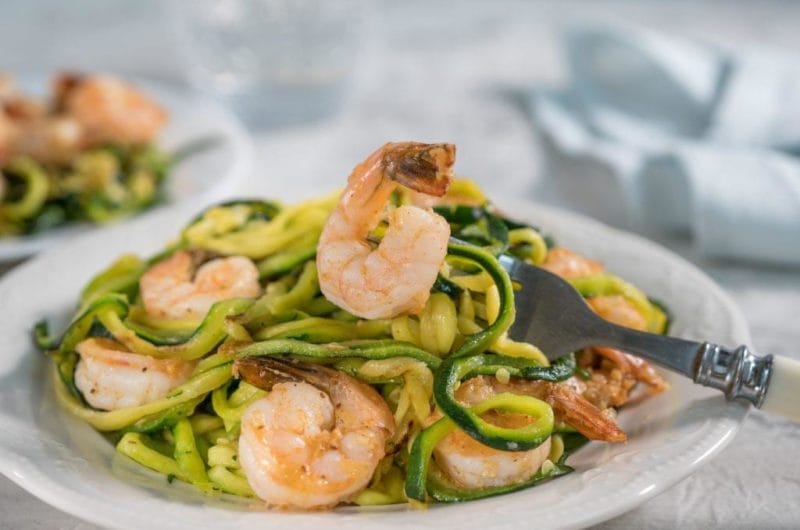
Zesty Shrimp Scampi with Zucchini Noodles – Your Ultimate Healthy Twist!





Thursday, July 11, 2024
Sushi Lovers Rejoice! How to Make Delicious Smoked Salmon Avocado Sushi Rolls Without the Rice


Thursday, July 11, 2024
Eat Guilt-Free with This Flavorful Spaghetti Squash and Meatballs Recipe

Wednesday, July 10, 2024
Spicy Pulled Pork Eggs Benedict – A Delicious Twist on a Classic Breakfast Dish The Ultimate Breakfast Game Changer


Wednesday, July 10, 2024
Discover the Ultimate Spinach and Artichoke Dip Recipe for Every Occasion

Wednesday, July 10, 2024
Delight Your Taste Buds with Spinach and Bacon Stuffed Chicken Thighs



