Wednesday, June 05, 2024
Lab-Grown Chicken: The Future of Food?
Delve into the world of lab-grown chicken and explore its potential as a sustainable, ethical, and delicious alternative to traditional meat. Find out what it's made of, how it's made, and whether it could be the future of food.
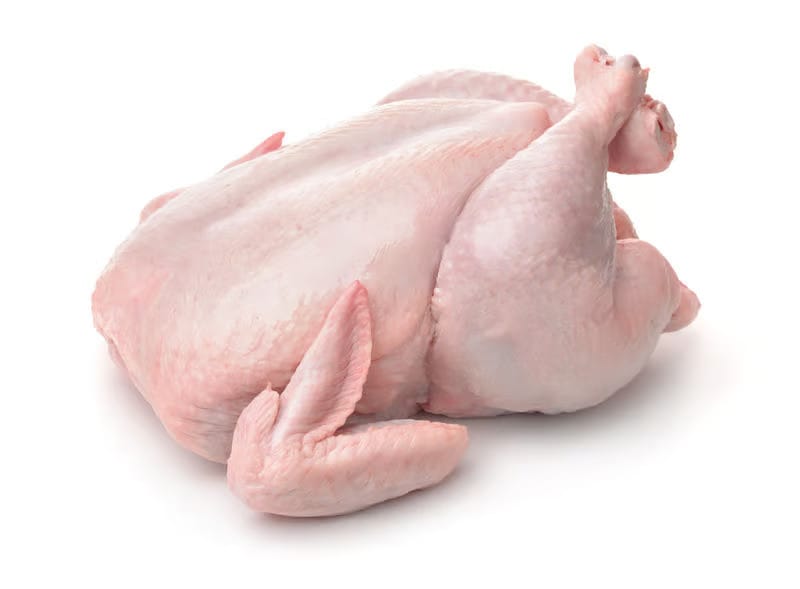
Lab-grown chicken, also known as cultivated or cultured-cell chicken, is shaking up the food industry. With FDA approval underway for companies like Upside Foods and GOOD Meat to bring lab-grown meats to the US market, this innovation marks a significant shift in how we view and consume food.
While lab-grown chicken has been in development for years, recent advancements have made it a reality. Brands like GOOD Meat are already offering lab-grown chicken in Singapore since 2020. This progress aligns with a global trend towards more humane and sustainable food production practices.
Factory-farmed chickens, on the other hand, often endure crowded and unsanitary conditions on intensive farms. These facilities contribute to environmental degradation and public health risks due to excessive resource consumption and waste production.
In contrast, lab-grown chicken presents a promising solution to these challenges. By producing meat without the need for animal agriculture, it offers benefits such as reduced animal suffering, minimized environmental impact, improved food safety, and expanded global food supply.
As individuals seek alternatives that prioritize ethics and sustainability, lab-grown chicken emerges as a compelling option poised to transform how we think about meat consumption.
Challenges of Lab-Grown Chicken:
- Plant-Based Alternatives: Plant-based foods are noted for safety, sustainability, and affordability.
- Environmental Impact: Energy use in bioreactors raises concerns over environmental effects.
- Labeling and Consumer Education: Concerns about product labeling clarity and consumer understanding.
- Availability: Expected first in upscale restaurants, but later may be comparable to organic prices.
- Financial Viability: Industry sustainability and scalability remain uncertain due to high costs.
- Cost: Initial infrastructure investment makes cultured chicken pricier than conventional options.

Lab-Grown Chicken Process:
- Meat is produced without raising or slaughtering animals, undergoing regulatory scrutiny before market release.
- Taste & Nutrition: Reportedly tastes like chicken with enhanced flavor; potentially higher in nutrients and safer due to sterile production.
- Cells from livestock are cultured in a nutrient-rich bioreactor for 2 to 4 weeks until ready for consumption.
Potential Benefits:
- Safety: Produced in controlled environments reduces contamination risks, potentially making it safer.
- Enhanced Nutrition: Could have increased amino acids and healthy fats compared to traditional meats.

See other posts like this one:


Saturday, June 01, 2024
Nerve Gliding: Is it the Key to Increased Flexibility and Pain Management?


Saturday, June 01, 2024
Step Back to Move Forward: 8 Surprising Benefits of Backward Walking