Wednesday, June 04, 2025
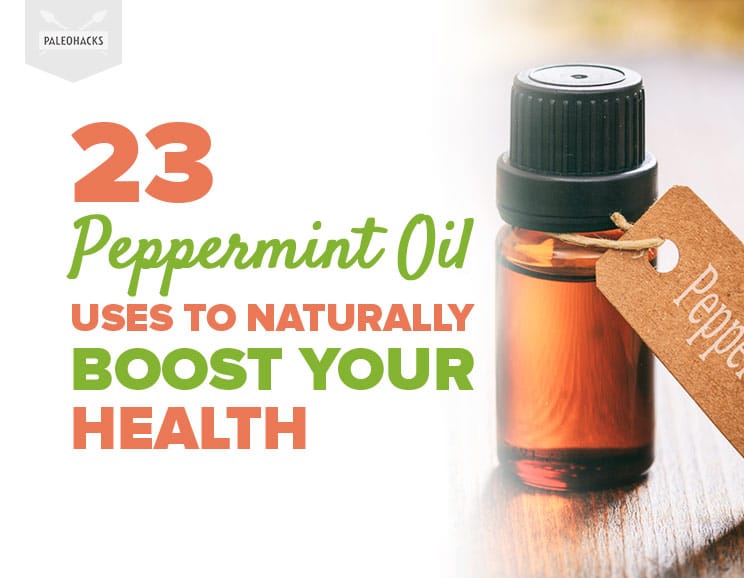
23 Powerful Peppermint Oil Uses to Boost Your Health Naturally
Discover 23 powerful peppermint oil uses to naturally boost energy, relieve pain, fight infections, improve digestion, and more. Backed by science—no chemicals, just results.
Peppermint oil has been used for thousands of years, dating back to ancient Greece, Egypt, and Rome, thanks to its healing properties. Today, this essential oil is making a major comeback as research confirms its impressive range of health benefits.
Packed with menthol, peppermint oil is a natural remedy for everything from digestion and inflammation to fatigue and headaches. Whether you’re fighting allergies or just want a natural energy boost, peppermint oil can help.
What Is Peppermint Oil Good For?
The main active ingredient in peppermint oil, menthol, has been shown to support:
- Bad breath
- Fatigue
- Inflammation
- Bacterial infections
- Headaches
- Allergies
- Congestion
- Muscle soreness
- Digestion
Plus, it’s great for DIY projects like homemade mints and natural bug spray. Below are 23 science-backed ways to use peppermint oil in your daily routine.
1. Boost Energy Naturally
Skip the energy drinks. Inhaling peppermint oil or drinking a drop diluted in water can increase alertness and physical performance in minutes.
How to use: Inhale directly or diffuse it. Add one drop to a glass of water for internal use.
2. Fight Dandruff
Its antifungal and antimicrobial properties make peppermint oil a natural dandruff remedy.
How to use: Add 2 drops to your shampoo and massage into your scalp.
3. Ease Muscle Soreness
Peppermint oil’s anti-inflammatory compounds can relieve sore muscles and speed up recovery.
How to use: Mix 5 drops with ¼ cup of coconut oil and massage onto sore areas.
4. Soothe Joint Pain
Menthol in peppermint oil helps reduce inflammation and relieve joint discomfort.
How to use: Combine 2 drops with a carrier oil and apply to achy joints.
5. Curb Cravings
Struggling with overeating? The aroma of peppermint may help suppress appetite.
How to use: Diffuse before meals or rub diluted oil on your chest.
6. Relieve Allergy Symptoms
Its expectorant and anti-inflammatory properties help clear sinuses and reduce coughing.
How to use: Diffuse peppermint oil with eucalyptus for all-day relief.
7. Calm Itching and Rashes
Peppermint oil cools and soothes itchy skin from bug bites or minor rashes.
How to use: Mix with olive oil and apply to affected areas.
8. Repel Insects Naturally
Insects hate peppermint. Use it to keep mosquitoes and other pests away.
How to use: Apply diluted oil to skin or mix into cleaning products to repel bugs.
9. Clear Up Acne
Its antimicrobial power helps reduce acne-causing bacteria and inflammation.
How to use: Mix a drop with jojoba oil and apply to pimples twice daily.
10. Relieve Headaches
Peppermint oil can ease tension and migraines with its cooling effect.
How to use: Dilute and apply to temples, neck, or shoulders.
11. Stimulate Hair Growth
Studies show peppermint oil can thicken and speed up hair growth.
How to use: Add to shampoo and massage into scalp regularly.
12. Ease IBS and Bloating
Peppermint oil relaxes intestinal muscles and reduces symptoms like gas and cramps.
How to use: Take enteric-coated capsules or rub diluted oil on your abdomen.

13. Reduce Nausea
Inhaling peppermint oil or using it in capsules may ease nausea naturally.
How to use: Take as capsules or inhale directly during symptoms.
14. Freshen Breath
Its antibacterial effects kill odor-causing bacteria and leave your mouth minty fresh.
How to use: Use peppermint toothpaste or make your own breath spray with water and oil.
15. Treat Toenail Fungus
Its antimicrobial properties help fight fungal infections in nails.
How to use: Apply 4–5 drops directly to affected nails daily.
16. Combat Bacterial Infections
Peppermint oil has been shown to fight dozens of harmful bacteria and fungi.
How to use: Use capsules as directed for internal use.
17. Support Cancer Prevention
Menthol may help protect healthy cells during chemotherapy and slow cancer cell growth.
Note: Always consult your doctor before using essential oils for serious health conditions.
18. Reduce Stress and Mental Fatigue
The aroma of peppermint oil promotes relaxation and clarity.
How to use: Diffuse or inhale directly for an instant mood lift.
19. Improve Exercise Performance
Research shows peppermint oil boosts oxygen intake and athletic performance.
How to use: Add 1–2 drops to a glass of water before your workout.
20. Soothe Sore Throats
Menthol cools the throat and helps reduce inflammation.
How to use: Gargle with diluted oil or inhale steam for relief.
21. Unclog Sinuses
It acts as a natural decongestant, easing colds and sinus infections.
How to use: Diffuse throughout your space when you’re congested.
22. Treat Sunburns
Peppermint’s cooling effects soothe burned skin fast.
How to use: Mix with aloe and a carrier oil; apply gently to sunburned areas.
23. Sharpen Focus and Memory
Peppermint oil boosts concentration and cognitive performance.
How to use: Rub diluted oil on your chest or inhale directly before work or study.
Final Thoughts
Peppermint oil is one of the most versatile natural remedies you can keep on hand. Whether you're dealing with everyday annoyances or chronic symptoms, this essential oil delivers real results—without the chemicals.
Pro tip: Always use therapeutic-grade peppermint oil and dilute with a carrier oil when applying to your skin.

See other posts like this one:









Saturday, October 26, 2024
Mental Health Psilocybin's Promise for Effective Depression Treatment