Sunday, June 16, 2024
How to Maintain Muscle and Strength After 50
Don't let age prevent you from staying strong and healthy. Learn how to maintain muscle mass and strength with these simple tips.
Life after the half-century mark doesn’t have to be a downward slide into a sedentary lifestyle. Maintaining muscle strength and functional fitness can become even more essential as we reach this milestone. The good news is, that it’s entirely possible to maintain—or even build—muscle mass and strength well into your senior years if you’re willing to adapt your approach. Here's an in-depth look at what strength training, nutrition, and overall lifestyle changes can do for you.
Physical Changes After 50
It's no secret: as we age, the specter of muscle loss, also known as sarcopenia, looms over us. This is a natural part of the aging process and is accelerated by factors such as inactivity, poor diet, and hormonal changes. Research indicates that muscle mass starts to decline at the rate of about 1% per year after you hit 50. But there is more at play than just a reduction in muscle size—bone density also diminishes, metabolism slows, and general strength wanes.
However, aging doesn’t have to be synonymous with decline. Studies show that older individuals can still gain muscle mass and strength through targeted exercise and nutrition. Before jumping into routines, it's critical to understand the specific changes that occur:
Muscle Mass Reduction
From age 40 onwards, adults can lose up to 8% of their muscle mass every decade. This reduction can lead to a decline in strength and power, which doesn't only affect athletic performance but can also affect everyday life activities like climbing stairs or carrying groceries.
Hormonal Shifts
Hormones play a significant role in muscle maintenance. The decline in testosterone levels in men, for instance, can contribute to a loss of muscle bulk. For women, menopause results in a decrease in estrogen, which can also contribute to muscle depletion.
Slowing Metabolism
Caloric demand decreases as muscle mass diminishes, leading to increased fat deposition. A slower metabolism can also make it harder to lose excess weight or maintain a healthy weight.
Bone Density Decrease
A decrease in bone density puts older adults at a higher risk of fractures and osteoporosis.
How to Maintain Muscle and Promote Strength After 50
Stay Active
Physical activity is the answer to many health concerns, but its role becomes even more critical after 50. Engaging in regular exercise that includes a mix of resistance training, cardiovascular activity, and flexibility exercises can greatly combat the effects of aging on muscles.
Prevent Injury
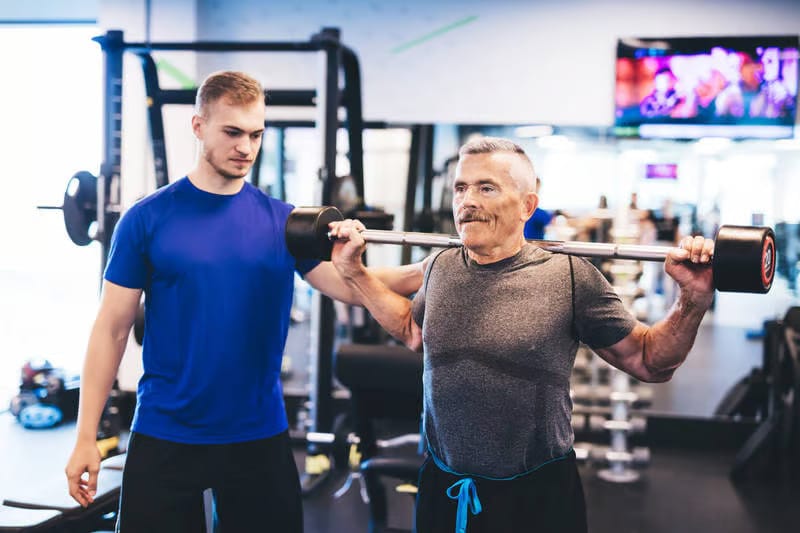
With age, the risk of injury also increases. You need to be mindful of your body's limitations and warm up correctly before exercise. If you're unfamiliar with proper form or new to exercise, consider working with a personal trainer who has experience with older clients.
Eat Protein
Muscle protein synthesis, the process by which the body builds muscle proteins, becomes less efficient with age. To counteract this, adjust your diet to include more protein-rich foods. Leucine, an essential amino acid, plays a crucial role in muscle protein synthesis—foods like meat, dairy, peanuts, and whey protein are high in leucine.
Prioritize Sleep
Quality sleep is non-negotiable for muscle recovery and overall health. Aim for 7-9 hours each night and consider measures like establishing a regular sleep schedule and creating a bedtime routine that promotes relaxation.
Manage Inflammation
Chronic inflammation is tied to numerous health problems, including muscle loss. Ensure your diet includes anti-inflammatory foods and consider supplementation with omega-3 fatty acids, which are known to have anti-inflammatory properties.
Control Stress Levels
High levels of stress contribute to the release of cortisol, a hormone that can lead to muscle breakdown. Engage in stress-reducing activities such as meditation, yoga, and spending time in nature.
Know Your Limits
It’s important to push yourself during workouts, but it's equally important to know when to stop to avoid injury. Listen to your body; if something hurts, stop and seek guidance if necessary.

Exercise: The Foundation of Youth
Priority #1: Resistance Training
This should be the bedrock of any exercise routine after 50. Focus on compound movements like squats, deadlifts, bench presses, and pull-ups that work multiple muscles simultaneously. Use a weight that is challenging but allows you to perform each set with proper form.
Priority #2: Aerobic Exercise and Endurance
While resistance training is a priority, don't neglect aerobic exercises like walking, cycling, or swimming. These activities can help build endurance and contribute to heart health, which is crucial for maintaining overall wellness.
Priority #3: Balance and Flexibility
Incorporate exercises that improve balance, such as standing on one foot, and include stretching in your post-workout routine. Yoga and Pilates can be excellent ways to improve flexibility and balance while also serving as a form of low-impact strength training.
Priority #4: Work Hard, But Recover Harder
Recovery is just as crucial as the workouts themselves, especially for older adults. Ensure you take rest days and engage in active recovery like walking or swimming on those days. Foam rolling, massage, and Epsom salt baths can also aid in recovery.
Balance Your Nutrition
Protein
Aim for about 1.2 to 1.6 grams of protein per kilogram of body weight per day. This higher intake can help counteract the reduced protein synthesis efficiency that comes with aging.
HMB
Beta-hydroxy beta-methyl butyrate (HMB) is a metabolite of the amino acid leucine and has been shown to help prevent muscle loss in older adults. It is available as a supplement, and the recommended dosage is 1.5 to 3 grams per day.
Creatine
This supplement is well-known for its ability to increase muscle mass and strength and can be especially beneficial for older adults. Start with a dose of 3 to 5 grams per day.
Vitamin D
Vitamin D plays a crucial role in muscle function, and deficiency is associated with muscle weakness. A daily intake of 2000 to 4000 IU of vitamin D can help maintain muscle health.
Omega-3 Fatty Acids
Incorporate foods rich in omega-3s, such as fatty fish, flaxseeds, and walnuts, into your diet. A quality fish oil supplement can also help maintain muscle health.

See other posts like this one: